Stitch Pattern Font: A Charming Sewing-Inspired Display Typeface
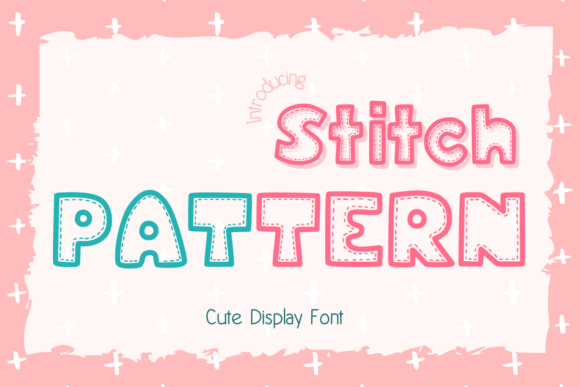
When I loaded the Stitch Pattern font into my design software for the first time, I instantly reached for a soft blush color palette. There’s something undeniably sweet about letters that look like they’ve been sewn from airy fabric, every character filled with a delicate crosshatch texture that mimics a needlework pattern. The transparency of each glyph gives it an open, breathable quality—nothing feels heavy or stiff. It’s the kind of display font that sells a feeling before a word is even read, which is exactly what handmade small business owners need when creating products meant to connect emotionally with customers.
Stitch Pattern is a decorative typeface with a cuteness that doesn’t tip into juvenile territory, making it versatile enough for romantic stationery, boutique packaging, and cozy home décor signs. The visible stitching pattern inside each letter adds handcrafted warmth. I think of it as a font that whispers homemade in the most polished way, perfect for Valentine’s cards, Mother’s Day keepsakes, baby shower invitations, or any project where you want the text to feel personally stitched together.
The Visual Personality of Stitch Pattern
What sets this display font apart is the balance between lightweight transparency and intentional texture. The letters aren’t solid; they’re open, often with a thin outline and a fine seam-like fill that resembles gingham, cross-stitch, or a sewing guide. This see-through nature means the background color or material becomes a partner in the design. On a kraft paper tag, the letters take on an earthy, homespun look. On a white greeting card, they float with a fresh, airy feel. On a soft pink envelope, they look like a sewing pattern come to life.
For crafters who sell downloadable printables or physical cards, this kind of visual personality directly affects perceived value. A simple “love you” printed in Stitch Pattern feels like a hand-stitched gift rather than a generic sentiment. It elevates a product from “nice” to “memorable,” which is what builds repeat customers and word-of-mouth referrals in the handmade marketplace.
Projects Where Stitch Pattern Truly Shines
The short answer is almost any project that needs a focal word or phrase with a sewing-inspired, charming, or heartfelt vibe. Because it’s a decorative display font, I reserve it for names, titles, and standout text rather than long paragraphs. Here are a few real ways I’ve used it or plan to use it in my shop:
- Valentine’s Day cards and gift tags: The transparent stitched letters pair beautifully with tiny heart motifs. I love using it for “be mine” and “xo” on folded card fronts.
- Mother’s Day printables: A framed “mom” or “best mom ever” print using Stitch Pattern becomes an instant keepsake. The sewing theme resonates with mums who quilt, embroider, or simply appreciate handmade charm.
- Wedding invitations and welcome boards: For a spring garden wedding, I’ve used Stitch Pattern for the couple’s names on the invitation suite header. The same font on a welcome sign, cut out of adhesive vinyl, looks delicate but readable on a mirror or acrylic board.
- Candle labels: Imagine a glass jar candle with a wrap-around label: the top line says “wildflower + linen” in this stitched font, and the rest of the text is in a clean sans serif. It instantly communicates small-batch, artisan care.
- Fabric-inspired product packaging: Hang tags for handmade scarves, sewn pouches, or fabric baskets feel instantly on-brand with a stitched-style logo or tagline. Even a simple “handmade with care” in Stitch Pattern bridges the gap between packaging and product.
- Digital planner covers and stickers: For creators who sell GoodNotes sticker sheets, a “weekly plan” or “notes” header in this font has a crafty, paper-made vibe that complements digital scrapbooking aesthetics.
- Farmhouse signs and wall art: Paired with a wooden texture background, the font reads like a painted stencil. Use it for “gather,” “welcome,” or “thankful” signs that sell well at craft fairs and on Etsy.
- Seasonal and holiday projects: Christmas ornament tags, Easter basket names, or even a Halloween “boo” treat bag label—the stitched pattern adapts surprisingly well across themes, especially with the right color choices.
Making Stitch Pattern Work for Physical Products and Printable Creators
As someone who cuts dozens of decals and prints hundreds of card sheets each season, I pay close attention to how a font behaves in the real world, not just on screen. Stitch Pattern’s transparent interior is its standout feature, but that also means you need to test it at scale.
For cutting machines like Cricut or Silhouette, I recommend sizing text at least 1.5 inches tall for vinyl applications. Below that, the internal pattern lines can become too fine and may not weed cleanly. If you’re using it for small stickers—say, 0.75-inch round labels on party favors—consider using a bold version if available, or opt for a slightly heavier stroke by adding a thin offset in your design software. The sewing pattern texture will shrink and may blend together on a label smaller than an inch, so a test print on scrap paper is always wise.
When preparing mockup previews for your shop, show the font on a range of surfaces: a white envelope, a kraft box, a pastel garment tag. Let buyers see how the transparency interacts with different backgrounds. This builds trust and reduces questions about “what will it look like on dark paper?” For dark backgrounds, use a light ink or foil effect to let the stitching details remain visible. A gold foil imprint of Stitch Pattern on a deep navy wedding invitation suite? Absolutely stunning.
Readability holds up well for short words and phrases. The letterforms are clean enough that “james & lily” or “grand opening” won’t confuse anyone, even at a medium distance. For longer lines, like a full invitation date or a quote, I pair it with a simple serif or sans serif to keep everything legible while preserving the crafty focal point.
Font Pairings That Let Stitch Pattern Lead
The right pairing makes Stitch Pattern feel intentional rather than just cute. Because the font itself carries so much texture, I reach for typefaces that stand back and offer quiet support.
- Clean sans serif: A modern sans serif like a geometric or humanist style provides crisp contrast. This combination works perfectly for wedding stationery—Stitch Pattern for the couple’s first names, and the sans serif for venue details. The result is contemporary yet warm.
- Simple serif: A classic serif font with gentle curves adds a touch of formality without competing. Together, they suit invitation suites, boutique price tags, and thank-you cards where you want the decorative text to shine.
- Delicate handwritten or script font: If you’re crafting a Mother’s Day card or a Valentine’s treat box label, pair Stitch Pattern’s heading with a soft, flowing script font for an airy, romantic layout. Just keep the script in a subdued weight so the stitched letters remain the visual anchor.
- Bold display font: Occasionally, I’ll stack a phrase—bold caps in Stitch Pattern above a lightweight sans serif subtitle—to create a high-impact product label. The key is limiting the decorative element to one or two words so the design doesn’t feel messy.
Working With File Formats, Alternates, and Multilingual Support
Whenever I add a new font to my commercial toolkit, I check the download folder for OTF and TTF files. Both work well for most craft design software, but OTF often includes extra features like ligatures or stylistic alternates if the font designer included them. Even though Stitch Pattern’s main draw is its stitched appearance, I always peek at the glyphs panel. Sometimes there’s a connected “th” or a swashy ampersand that can elevate a design from pretty to bespoke.
Multilingual support is another underrated feature I look for. If the font includes accented characters and extended Latin glyphs, I can comfortably use it for customers with non-English text, expanding what I can offer in printable party sets and custom name signs. It’s worth taking a moment to scroll through the character map before drafting your product listings so you know exactly what’s available.
Commercial Licensing for Craft Sellers and Small Shops
Nothing stalls a product launch faster than realizing you’ve used a font in a way that doesn’t align with its license. I treat font licensing as non-negotiable. Stitch Pattern, like most premium display fonts, typically comes with a standard personal-use license by default. To sell physical items—cards, stickers, mugs, tote bags—or to distribute digital files like printable wall art, SVG cut files, or planner inserts, you need an extended commercial license.
I keep a simple checklist: If my customer pays for an item that includes the font in any form, I ensure my license covers commercial end products. For many creators, the license cost is easily offset by the first few sales of a bestselling hoodie or wedding sign template. Always download the license terms directly from the designer’s shop and store them with your design assets. This protects your business and supports the typographer who built the tool you love.
Making the Font Part of Your Signature Style
Over time, I’ve noticed that my most loyal customers gravitate toward products that feel cohesive rather than trendy. Stitch Pattern has become one of those rare fonts that I can use repeatedly without my shop looking repetitive. It appears on my holiday gift tag bundles, my small-batch candle labels, and even the occasional T-shirt design for local craft fairs. Because the sewing pattern texture is so distinctive, it acts as a quiet through-line in my branding.
If you run a handmade business centered around soft goods, memory keeping, or family-themed gifts, this font invites that emotional connection. A new mum receiving a “mama” mug in the mail doesn’t just see a word; she sees the care stitched right into the lettering. That’s the kind of response that turns a one-time buyer into someone who tags you on Instagram and orders birthday gifts for the whole family next season.
I’d encourage any paper artist, printable creator, or small shop owner to play with Stitch Pattern in their next mockup. Try it as a jar label header, a banner for your next digital product, or a bold greeting on a card front. The font does a lot of the emotional work for you, leaving you free to focus on the details that make your shop uniquely yours.